
At Prestige Specialist Dental Clinics we now have the following HMOs in our list
Check them out;
- Miterahealth HMO
- Bastion HMO
- Inchbay HMO




At Prestige Specialist Dental Clinics we now have the following HMOs in our list
Check them out;

Perhaps you have been considering the use of teeth whitening to give you healthy smile the radiant glow it deserves. There are many people who rely on teeth whitening treatments to put the finishing touch on their smile makeover, straightening or as part of their regular general dentistry. At Prestige Speilaist Dental Clinic in Abeokuta, Ogun State, we provide our patients with different options for teeth whitening and also help them overcome the biggest misconceptions and myths about this fast, safe, and effective treatment.
If you have questions about the myths and misconceptions about teeth whitening, or need to discuss your options, give us a call at 08023417155,07036763391,08088180512.
By Lucy Wyndham
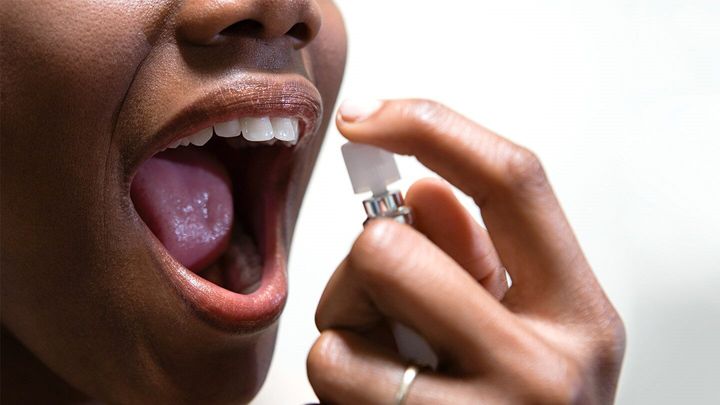
463 million people in the world have diabetes, according to the International Diabetes Foundation, and diabetes is known to raise the risk of certain dental health issues, including dry mouth. Dry mouth is much more than an annoyance that may make it a little difficult to speak sometimes. It’s a problem that raises the risk of tooth decay and makes it easier for fungal infections to develop. When people with diabetes learn how to manage dry mouth symptoms, they’ll be doing something good for their dental health and general health. Fortunately, there are effective ways to ease or eliminate dry mouth.
Dry mouth is also known as xerostomia, and it’s believed that diabetics are prone to dry mouth due to high blood glucose levels. Another issue is the fact diabetics produce less saliva than most non-diabetics, according to a study published in the Journal of Periodontology. Dry mouth issues may affect people with both forms of diabetes (Type 1 and Type 2). While all people with diabetes don’t develop dry mouth problems, they are not uncommon, either.

If you’re having dry mouth problems, which are common in diabetics, but not exclusive to diabetics, you may notice that your mouth feels sticky. You might also have bad breath, whether you’re aware of it or not. Mouth sores, cracked lips (especially at the corners) and dry throat may also occur. Additionally, speaking may be difficult. Some people with dry mouth have excessive thirst. Other symptoms to watch for include sore throat, a hoarse speaking voice, and dry, inflamed tongues. You may have some of these symptoms or most of them, as everyone is different.
Diabetics are used to accessing treatments that maintain or improve their health. For instance, people with diabetes might wear compression socks that ease health problems, such as swelling and discomfort from deep vein thrombosis, and many take pills or insulin injections to regulate their blood levels. Many also follow special diets that help them to stay well. When it comes to dry mouth, treatment options are also available. Drinking plenty of pure water should be very helpful. You may also want to use sugar-free mouthwashes, mints, and gums in order to stimulate the production of saliva. Avoid alcohol, tobacco products, and caffeine, as all may make dry mouth problems worse. As you can see, some simple lifestyle changes are usually enough to minimize or eliminate the problem.
Seeing your dentist twice a year for checkups and cleaning will be essential. Some dental patients need even more attention from dentists. Another smart tip is to talk to your doctor about any medications that you are taking. Some medications prescribed to diabetics may trigger side effects, including dry mouth. It is possible that your doctor can adjust your medication in order to try and ease this symptom.
Now that you know more about dry mouth and diabetes, you’ll be ready to tackle the problem. The more than you do to alleviate dry mouth, the better. Effective dry mouth treatments help to safeguard good health.
Alaeddine Mahfoudhi (alaaeddinemahfoudhi@yahoo.com) – Resident in prosthodontics
Oumaima Tayari – assistant professor in prosthodontics
Amani Mizouri – Resident in prosthodontics
Jamila Jaouadi – Professor in prosthodontics, head of removable complete denture department in dental clinic of Monastir
Faculty of Dental Medicine of Monastir, Oral health and Oral-Facial Rehabilitation Laboratory Research (LR12ES11), University of Monastir, Monastir, Tunisia
Dental Clinic of Monastir, Department of removable complete Denture,Monastir, Tunisia
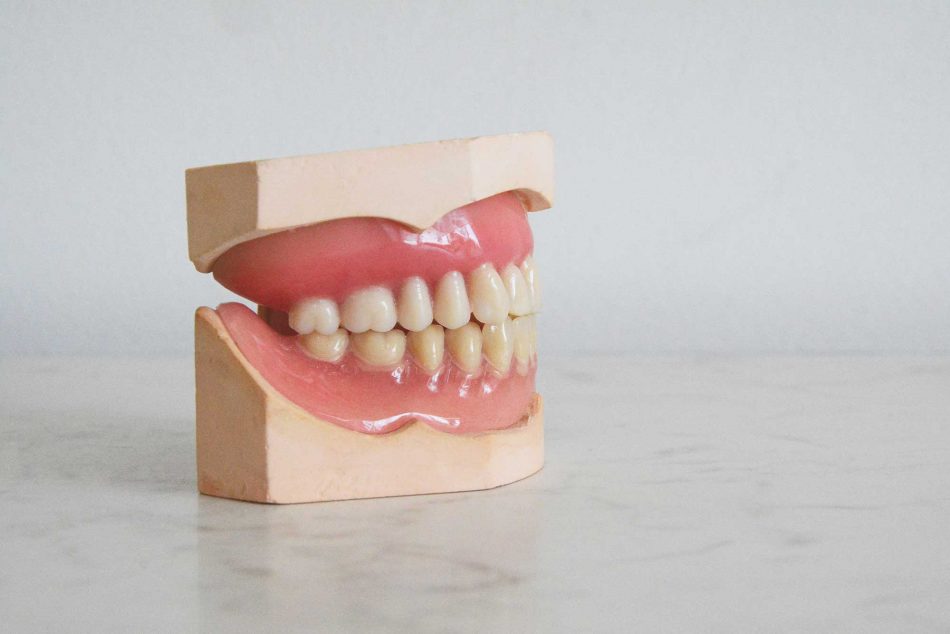
Introduction: the Single Complete Removable Denture (SCRD) is a frequent therapeutic solution offered to edentulous patients.
Due to the diversity and complexity of the clinical situations, it is a challenge to the dentist and to the patient who comes with many complaints.
Materials and methods: The complaints of patients with a SCRD were analyzed through a clinical and statistical study carried out in the removable denture department at the Dental clinic of Monastir, Tunisia.
Results: The studied population comprises 34 patients. The majority of complaints were about prosthetic instability followed by pain and discomfort.
Conclusion: a thorough pre-prosthetic analysis and diagnostics is essential to avoid the many pitfalls of the complete unimaxillary denture and ensure the stability of the prosthetic appliance on the edentulous arch.
Key Words: Single complete removable denture, Complaints,Prosthetic Instability, Pain, Occlusion.
The prosthetic rehabilitation of an unimaxillary arch is considered as a complex reconstruction that must be perfectly controlled by the practitioner to ensure the prosthetic durability and the occlusal comfort of the patient. The success in SCRD is dependent on the initial analysis and preparation of the opposing arch in order to obtain a successful denture.
However, many patients express complaints about their prostheses. Therefore, we propose to study these complaints through a clinical study carried out in the department of complete removable denture at the Dental clinic of Monastir, Tunisia among the edentulous patients rehabilitated by SCRD either maxillary or mandibular.
The objective of this work was to analyze the complaints of the wearers of the complete unimaxillary prosthesis in order to determine their natures and to uncover the possible etiologies.
This study was carried out at the dental clinic of Monastir for two months (July-August, 2020). 34 edentulous patients who received the treatment in the removable denture department by full maxillary denture and came back to consult with complaints. This study included all patients of all ages who have benefited from a SCRD and who consult for complaints.
Patients with bi-maxillary complete removable denture and implant stabilized prostheses were excluded. The data collection was conducted by a resident under the supervision of a removable prosthetics teacher through a questionnaire designed for the purpose of the study and divided into two parts:
• The first part was about the patient’s socio-demographic data, his chief complaints and some prosthetic characteristics
• The second part of the questionnaire was reserved for clinical observations made by the dentist in order to analyze the edentulous arch, the condition of the osteomucosal surface, and to evaluate the quality of the prostheses in terms of stability, retention, aesthetics, occlusion and phonation.
The data were entered as a multiparametric database using the 2007 Excel table. The descriptive and analytical statistical study was conducted using the IBM-SPSS software version 23.0.
The significance threshold was set for a value of p 0.05.


The socio-demographic characteristics of the sample were grouped in Table
For the analytical results, a significant correlation was found between the Sangiuolo classification at the maxillary arch and the static instability expressed by the patient with a p = 0.012.
Also a dependency relationship was found between the patient’s age and the denture base fracture with a p=0.03.
In our study, the percentage of men who consult for complaints is the same as that of women, which seems very similar to other studies: for the study of Modhi Al Deeb (2020) in which women represent 46.5% of the population while men represent 53,5%). However, other studies show a higher percentage of men, such as those of Bekri (2019) and Gueye M (2016), whereas Cayrel (2011) and Mboj EB (2010) women are more mentioned in their studies. [1] [2] [3] [4] [5]
The average age in our study sample is 63.3 which is similar to the studies of Bilhan coll and Gueye M with an average age of 64.1 years. [6] [3] 44.1% of the study population had general diseases, the most declared of which is diabetes. According to Frank (1998) dissatisfaction with removable prostheses increases in patients with poorer health. [7]
This sample consists of 20 maxillary prostheses and 14 complete mandibular prostheses. The high number of maxillary dentures is explained by the notion of delayed loss of mandibular teeth compared to the maxillary ones. Moreover, practitioners are often aware of the difficulty of ensuring the balance of a complete mandibular prosthesis due to the reduced bearing area. So they are more conservative on the mandibular.
The majority of patients express their complaints after a period of wearing the prosthesis for more than a year which is correlated with the results of Gueye M including 68 prostheses that date back more than a year.
Stability presents the resistance to displacement under horizontal and rotational stress. It depends on the quality of adaptation of the denture to the prosthetic support structures in the horizontal and vertical planes. [8] [9]
More than 57% of complaints in our study call for problems of prosthetic instability (static or/and dynamic). As well Bekri (2019) in his study shows that instability is the major complaint with 49% of the cases. [2] In fact, some anatomo-clinical situations such as the fibromucosal state and bone resorption were the cause of poor retention and consequently prosthetic instability. A relationship has already been found between the maxillary Sangiuolo class and static instability. More instability is found with class II and III.
Instability can be also caused during function, for this is essential to control occlusal relations during propulsion and lateral movement according to balanced occlusal concept with a stable prosthesis on these supports [10] Balanced occlusion in excursive movements will lead to prosthesis instability, loss of retention and disinsertion of the prosthesis. [11] [12]
Pain is the second complaint represented in this survey at the maxillary and mandibular arch with a respective percentage of 55% and 43%. These values are similar to some studies [6] [14].
An inadequate prosthesis causes pain complaints or functional disturbances capable of causing denture rejection [14]
Oral dryness is one of the risk factors of soft tissue pain and especially at the mandibular arch. According to Inamochi Y (2019) 15% of patients claim discomfort with maxillary prosthesis and 21% with mandibular prostheses. [15] These sensitivities are expressed as result of a functional discomfort related to the prosthetic volume, «full mouth» sensation and prosthetic lip distension. This discomfort is due to either a real over extension of the prosthetic limits or from a significant modification of the prosthetic limits compared to the original prostheses after a long service. [16]
Patients in our study consult after denture-base fractures or for detachment of prosthetic teeth. 5.4% of fractured teeth accrues after 2 to 5 years of service of the prosthesis. [14] These alterations can be explained by different etiologies such as improper handling during the prosthetic manufacturing procedures and their impact on the quality of the prosthesis.
According to Licia M. (2019) prostheses made with poly methacrylate methyl are more frail and need more thickness and width in order to avoid fractures then those made with VALPLAST. The PMMA present a high rate of artificial teeth loss.[17] Koper believes that occlusal problems and fractures of the prosthesis observed in the single complete prosthesis result of one or all of the following: occlusal stress on the maxillary prosthesis, underlying edentulous tissue, and accustomed muscles to opposing natural teeth, the position of mandibular teeth which may not be properly aligned for the occlusal bilateral balance concept needed for prosthetic stability. [18]
A relationship was found between the age and fracture of the prosthesis that may be due to the cleaning techniques with unsuitable products such as abrasive substances or even the fall of the device during its handling.
[19] [20] [21]
It is desirable that this clinical study should be multicentric given that the psychological state of patients differ from one region to another. Especially when those complaints are subjective claims that are difficult to assess.
The SCRD is a delicate treatment for the practitioners who is facing anatomic and physiological different obstacles. This causes many problems and bring back the patient to consult for complaints.
In our study, instability is the most common complaint expressed by the patients followed by pain.
Our role is to find the solution for complaints and motivate the patient for rigorous hygiene of the osteo-mucous surface and the prosthesis. Also control sessions must be programmed after the delivery of the denture.
In complete unimaxillary denture, the problem comes from the fact that the occlusal pattern already exists at the level of the toothed arch and is seldom adapted to the stabilization requirements of the combined removable prosthesis.
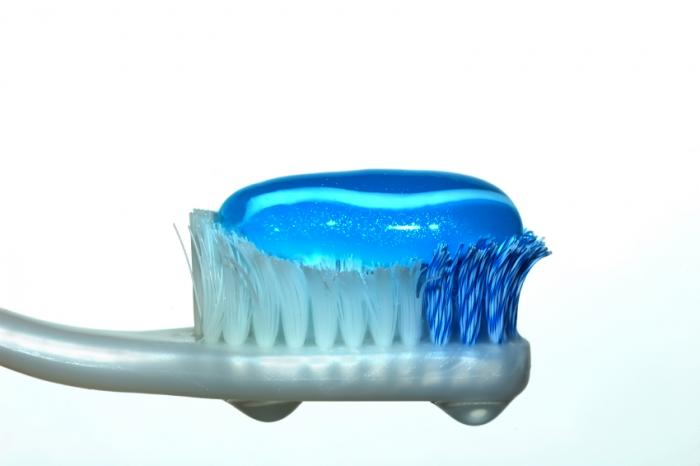
To find out whether misuse of dental hygiene, in terms of certain dental habits, may facilitate the spread of COVID-19 among cohabiting individuals.
302 COVID-19 infected (PCR +) subjects cohabiting with someone else at home were selected for an observational cross-sectional study. An anonymous online questionnaire was developed using Google forms to avoid person-to-person contact. The structured questionnaire consisted of questions covering several areas: sociodemographic data, cross transmission to another person living together, oral hygiene habits during confinement, care and disinfection control behaviours in the dental environment like sharing toothbrush, sharing toothbrush container, sharing toothpaste, placing brush vertically, placing cap with hole for brush, disinfecting brush with bleach, closing toilet lid before flushing.
Tongue brushing was more used in the group where there was no transmission of the disease to other members (p < 0.05).
Significant differences were found for shared toothbrush use (p < 0.05), although shared use was a minority in this group (4. 7%), significant differences were also found for the use of the same container (p < 0.01), shared use of toothpaste (p < 0.01), toothbrush disinfection with bleach (p < 0.01), brush change after PCR + (p < 0.05). The women performed significantly more disinfection with toothbrush bleach (p < 0.01), closing the toilet lid (p < 0.05) and changing the brush after PCR + (p < 0.05).
The use of inappropriate measures in the dental environment could contribute to the indirect transmission of COVID-19 between cohabitants.
Dental News Magazine – June 2021 Issue
María José González-Olmo 1
Bendición Delgado-Ramos 2
Ana Ruiz-Guillén 1
Martín Romero-Maroto 1
María Carrillo-Díaz 1
1: Dentistry Department, Rey Juan Carlos University, Avda de Atenas s/n, 28922, Alcorcón, Madrid, Spain
2: Dentistry Department, Granada University, Campus de la Cartuja s/n, 18071, Granada, Spain
The new coronavirus (SARS-CoV-2) is causing concern in the medical community, as the virus is spreading globally. The fact that asymptomatic people are potential sources of infection 1 justifies a thorough analysis of the dynamics of the transmission of the current outbreak. The virus is mainly transmitted through direct or indirect contact with the mucous membranes of the eyes, nose or mouth 2, 3. In this context, the detection of SARS-CoV-2 and a high viral load in the sputum of a convalescent patient raises concerns about the potential transmissibility after recovery.
The SARS-CoV-2 virus, commonly referred to as a coronavirus because of its unique appearance, has a glycoprotein configuration on its exterior, forming spicules, through which it binds to human cells. In order to protect its genetic contribution, it has a double layer made of lipids in its lower part that performs this protective function 4.
The SARS-CoV-2 virus infects human cells using the ACE2 receptors, which are widely distributed in the upper respiratory tract (hence the lung lesions it causes in affected people) and the epithelial cells lining the ducts of the salivary glands, these being early targets of infection 5,6,7. They can also be in the mouth, mainly on the tongue, which is a great reservoir of viral germs. Therefore, tooth brushing, interproximal hygiene and tongue cleaning are essential in order to reduce the viral load in the oral area 3, 8.
In addition, in order to prevent cross-contamination, it is important to ensure that tooth brushes within the family are not in the same container. After use, cleaning devices become contaminated and, if not disinfected, can be a reservoir of microorganisms 9 (including bacteria, viruses and fungi) that maintain their viability for a significant amount of time, ranging from 24 h to 7 days. Microbial survival promotes the reintroduction of potential pathogens into the oral cavity or the spread to other individuals when cleaning devices are stored together or shared 10.
This has always been a bad idea, but today this separation has become a real necessity, as if we are asymptomatic carriers of the virus without knowledge of it and the brushes are placed together, it can encourage cross-contamination. Recent studies have observed that COVID-19, through friction with the oral mucosa, can be transmitted to the individual 11.
The same tube of toothpaste should also not be used between members of the same family, as this is another way of facilitating cross-contamination. It is also necessary to store the toothbrush with the brush head upwards, as this facilitates faster drying and hinders the spread of microorganisms 12,13,14. Even if the brush is accompanied by a wrapper, it must have openings to facilitate drying.
Toilets should be considered as a possible source of viral contamination of indoor and surface air. In fact, constant microbial contamination of the indoor environment often occurs after toilet flushing, and this can be a major source of spread, not only for enteric but also for respiratory viruses, which are also often eliminated by faecal means.
Toilet flushing generates a large number of droplets of different sizes: the larger droplets settle quickly on surrounding surfaces, while the smaller ones can be inhaled or remain in the air for a long time 15. The level of contamination in the toilet environment has been studied, concluding that the highest levels of surface contamination were located near the source of the aerosol, at the level of the toilet seat. However, contaminated surfaces were also found at a distance of 83 cm from the toilet. This is the reason why the toothbrush should also be kept away from the toilet (at least 1 m) to avoid possible contamination, as the virus is also found in feces and urine 16, 17.
At the end of an eventual infectious, process it is necessary to be cautious and use a new brush, as even if the power of reinfestation of the virus is not known, it is necessary to bear in mind that the brush can constitute an emitter of germs to other brushes used by other members of the family or even to one’s self. Disinfection of the brush head after use with povidone-iodine at 0.2% or hydrogen peroxide diluted at 1% for 1 min 18 is very necessary to maintain good cleanliness 19, as the brush filaments can be infected by germs from the environment. It is necessary to know and take into account the temporary duration of the stay of the coronavirus on different surfaces 18; in order to prevent infection, it is important to know that the duration for the stay of coronavirus on plastic is 72 h.
When there is an active development of COVID-19, a 0.2% povidone-iodine mouthwash or 1% dilution of hydrogen peroxide can be used for 1 min 18 to try to control the oral load of germs, as although scientific evidence is limited 1, 18, it has been observed that such products can be effective in rendering the lipid envelope of the virus inoperative.
There are many families who are currently confined to their homes because they are positive for COVID-19. Precautionary measures regarding cleanliness and asepsis to be performed in the homes by family members are well-known in order to prevent infection among them 20. However, less emphasis has been placed on oral care to reduce the viral load and on the dental environment to prevent the risk of cross-contamination of COVID-19.
Taking into account the above considerations, the aim of this research is to find out whether misuse of dental hygiene, in terms of certain dental habits, may facilitate the spread of COVID-19 among cohabiting individuals.
This was a cross-sectional, observational study conducted in Spain for fifteen days (April 15–30 2020), four weeks after the start of the confinement in Spain.
These data collection efforts were particularly designed to avoid person-to-person contact. It was an online study, and only participants with Internet access could participate in the study. A snowball sampling technique was used. An anonymous online questionnaire was developed using Google forms with a consent form attached. The link to the questionnaire was sent by email, WhatsApp and other social networks through the researchers. Participants were encouraged to complete the survey with as many people as possible. Therefore, the link was forwarded to people apart from the first point of contact, etc.
Included participants were over 18 years old, able to understand Spanish, and willing to give an informed consent. A total of 2305 subjects agreed to the survey, but only those subjects who had a confirmation in PCR (Polymerase Chain Reaction) of a COVID-19 infection and who were living with another person with whom they shared a bathroom were selected, the sample being reduced to 302 subjects included in the analysis. The survey and consent to participate were approved by the King Juan Carlos University Ethics and Research Committee (Registration number: 0103202006520).
The structured questionnaire (included as supplementary file) consisted of questions covering several areas: (1) sociodemographic data (age, gender and educational level), (2) cross transmission to another person living in the same home and sharing a bathroom, with a response format carried out via a dichotomous question (yes = 1/no = 0), (3) oral hygiene habits during confinement (brushing 2 or more times per day, flossing once per day, mouth rinsing once per day, brushing tongue once per day). Responses were rated on a 5-point Likert scale ranging from 1 to 5, with “Never” = 1, “Almost never” = 2, “Sometimes” = 3, “Almost always” = 4 and “Always” = 5.
Questions also covered (4) care and disinfection control behaviors in the dental environment (Usually sharing a toothbrush, usually sharing a toothbrush container, usually sharing toothpaste, usually placing brush vertically, usually placing cap with hole for brush, usually disinfecting brush with bleach, usually closing toilet lid before flushing, changing toothbrush after COVID-19 + test). The response format was carried out via a dichotomous question (yes/no).
The study presents a cross-sectional descriptive study, in which the variables considered are those described in the previous section. Statistical analysis was performed using the SPSS version 24 (SPSS Inc., Chicago, IL, USA). Data analysis included descriptive statistics and the Kolmogorov–Smirnov test to evaluate the assumption of normality, which was confirmed. In order to know the possible differences between groups with infection from a single family member and those with an extension to more than one household member, T tests were performed in the case of quantitative variables and Chi-square tests in the case of variables. Significance levels were established at 0.05.
The sample consisted of 145 (48%) men and 157 (52%) women with an average age of 39.25 (± 9.94).
In terms of educational levels for the total sample, 34.1% had completed primary school, 29.8% had completed secondary school and 36.1% had obtained a university degree. 59.6% of the sample corresponds to a medium socio-economic level.
56.3% of the sample had a person living with them affected by COVID-19 and positive in a PCR test.
Only 33.8% brushed their teeth 2 or more times every day, 20.2% flossed every day, 15.2% used a daily rinse and 17.2% brushed their tongue every day.
We found significant differences in oral hygiene measures for tongue brushing (t = 2.202; p = 0.029*).
This hygiene measure was more used in the group in which there was no transmission of the disease to other members of the home. No significant differences in these measures were found in terms of sex. (Table 1)
97% of the sample did not share the use of the toothbrush, but 64.2% used the same container to hold the toothbrushes, 50.3% used the same toothpaste, 80.5% put the toothbrush upright, 55.6% used a cap for the brush, only 8.6% of the sample dipped the brush in bleach after use, 36. 4% closed the toilet lid before flushing and only 16.2% did not change the brush after testing positive for PCR.
Significant differences were found between the group in which there was no intrafamily cross-transmission and in which there was cross-transmission for shared toothbrush use (x 2(1) = 4.006; p = 0.045*).
Although shared use was a minority in this group (4.7%), significant differences were also found for the use of the same container (x 21) = 18.550; p = 0.000**), shared use of toothpaste (x 2(1) = 9.720; p = 0.002**), toothbrush disinfection with bleach (x 2(1) = 7.532; p = 0.006**), toilet lid closure (x 2(1) = 23.062; p = 0.000**) and brush change after PCR + (x 2(1) = 4.077; p = 0.043*). (See Table 1)

When the association between the variables of oral hygiene and care and control of disinfection of the dental environment was explored, significant differences were found between the subjects who performed brushing hygiene with bleach and those who did not with respect to the use of dental floss (p = 0.028*) and tongue hygiene (p = 0.035*).
Differences were also found between subjects who lowered the toilet seat and subjects who had tongue hygiene (p = 0.020*). (Table 2)

The differences in these measures in terms of gender were significant for personal hygiene or disinfection measures, such as disinfection with toothbrush bleach (x 2(1) = 7.087; p = 0.008**), closing the toilet lid (x 2(1) = 5.518; p = 0.019*) and changing the brush after PCR + (x 2(1) = 4.090; p = 0.043*). These measures were used more in women than in men with a significant difference.
In this study, we explored the role played by the correct use of anti-contamination measures in the dental environment to prevent infection among people living in the same house. The results have highlighted this association, considering that sharing a toothbrush, toothpaste, the same container for the brush, closing the toilet lid before flushing and changing the brush after the viral process could be a possible route of cross-contamination of COVID-19.
However, when studying oral hygiene habits, no significant differences were found between the groups except for tongue cleaning. This result can be interpreted to indicate the tongue as the main oral organ acting as a reservoir of COVID-19 5 and the importance of brushing to decrease the viral load of the individual carrier.
The study shows significant differences in the measures taken to avoid cross-contamination with respect to gender, with the figures being higher in women than men. This finding is consistent with previous results obtained in the literature regarding care and cleaning in the home, in which the leading role of women is emphasized. In addition, men seem to be more affected by COVID-19 than women 7, 20, 21, so it is doubtful whether this could be due to less comprehensive compliance with prevention measures.
It is also important to recognize some limitations of this study. First, a more definitive method would have been to measure the aerosol and surface viability of SARS-CoV-2 on the different surfaces and toilet environment but it is not possible because of the impossibility to visit each home due to the lockdown situation. Second, it is a matter of convenience.
However, the sample size is acceptable to show a first approximation of what could happen if adequate measures are not taken in the dental environment. A possible third limitation comes from the use of self-report measures, which may be affected by responses based on social desirability. Finally, only measures affecting the dental environment have been considered, so the results could be partially biased.
This research has some relevant implications for the possible spread of COVID-19. There is evidence that everyday hygiene measures are a vital part of infection prevention and are important in preventing the transmission and acquisition of infection.
Adopting a specific hygiene approach in our homes and our daily life (e.g., workplaces, public transport, gyms, nursery schools and shopping centers), in situations in which there is usually no mandatory hygiene policy, offers a way to maximize protection against infections.
In order to minimize the risk of viral infection among cohabitants, the population should be informed of the measures in the dental environment that should be taken to reduce possible cross-contamination, including not sharing a toothbrush or the same toothpaste tube, not sharing the cup where the toothbrush is stored, closing the toilet lid before flushing, disinfecting the toothbrush after each use and changing the toothbrush after a viral process.
If effectively implemented, hygiene in the home and in daily life has the potential to reduce infection rates and antibiotic consumption, thus reducing the selective pressure for the development and further spread of resistance 14. As noted in recent global efforts to contain the SARS-CoV-2 virus and slow the spread of COVID-19, hygiene practices, including hand washing, are the first line of defense to reduce the transmission of infection.
It is also important to recognize that while hygiene measures and disinfection of toilets and oral equipment to prevent the spread of COVID-19, appear to be necessary to consider in preventing the spread of COVID-19, it is vitally important to comply with all general measures outlined at the global level in order to contain the spread.
Although there is evidence that hygiene in the dental environment is important to prevent transmission of COVID-19 colonization and infection, further research is needed to demonstrate the extent to which poor hygiene in the dental environment may contribute to the burden of infection and cross-contamination of COVID-19.
In addition, it would be interesting to know the different effects depending on the number of people in the household.
The use of inappropriate measures in the dental environment could contribute to the indirect transmission of COVID-19 between cohabitants.
The datasets generated during and/or analysed during the current study are available from the corresponding author on reasonable request.
PCR: Polymerase chain reaction
1. Abduljalil JM, Abduljalil BM. Epidemiology, genome, and clinical features of the pandemic SARS-CoV-2: a recent view. New Microbes New Infect. 2020;35:100672. https://doi.org/10.1016/j.nmni.2020.100672.
2. Belser JA, Rota PA, Tumpey TM. Ocular tropism of respiratory viruses. Microbiol Mol Biol Rev. 2013;77:144–56. https://doi.org/10.1128/MMBR.00058-12.
3. To KK-W, Tsang OT-Y, Chik-Yan Yip C, Chan K-H, Wu T-C, Chan JMC, et al. Consistent detection of 2019 novel coronavirus in saliva. Clin Infect Dis. 2020. https://doi.org/10.1093/cid/ciaa149.
4. Guarner J. Three emerging coronaviruses in two decades. Am J Clin Pathol. 2020;153:420–1. https://doi.org/10.1093/ajcp/aqaa029.
5. Liu L, Wei Q, Alvarez X, Wang H, Du Y, Zhu H, et al. Epithelial cells lining salivary gland ducts are early target cells of severe acute respiratory syndrome coronavirus infection in the upper respiratory tracts of rhesus macaques. J Virol. 2011;85:4025–30. https://doi.org/10.1128/JVI.02292-10.
6. Peng X, Xu X, Li Y, Cheng L, Zhou X, Ren B. Transmission routes of 2019-nCoV and controls in dental practice. Int J Oral Sci. 2020;12:9. https://doi.org/10.1038/s41368-020-0075-9.
7. Chen N, Zhou M, Dong X, Qu J, Gong F, Han Y, et al. Epidemiological and clinical characteristics of 99 cases of 2019 novel coronavirus pneumonia in Wuhan, China: a descriptive study. Lancet. 2020;395:507–13. https://doi.org/10.1016/S0140-6736(20)30211-7.
8. Wang WK, Chen SY, Liu IJ, Chen YC, Chen HL, Yang CF, et al. Detection of SARS-associated coronavirus in throat wash and saliva in early diagnosis. Emerg Infect Dis. 2004;10:1213–9. https://doi.org/10.3201/eid1007.031113.
9. Sammons RL, Kaur D, Neal P. Bacterial survival and biofilm formation on conventional and antibacterial toothbrushes. Biofilms. 2004;1:123–30. https://doi.org/10.1017/S1479050504001334.
10. Spolidorio D, Tardivo T, dos Reis DJ, Neppelenbroek K, Duque C, Spolidorio L, et al. Evaluation of two alternative methods for disinfection of toothbrushes and tongue scrapers. Int J Dent Hyg. 2011;9:279–83. https://doi.org/10.1111/j.1601-5037.2011.00503.x.
11. Li ZY, Meng LY. The prevention and control of a new coronavirus infection in department of stomatology. Zhonghua Kou Qiang Yi Xue Za Zhi. 2020;55:E001. https://doi.org/10.3760/cma.j.issn.1002-0098.2020.0001.
12. Medrano-Félix A, Martínez C, Castro-Del Campo N, León-Félix J, Peraza-Garay F, Gerba CP, et al. Impact of prescribed cleaning and disinfectant use on microbial contamination in the home. J Appl Microbiol. 2011;110:463–71. https://doi.org/10.1111/j.1365-2672.2010.04901.x.
13. Keshav V, Kruger CA, Mathee A, Naicker N, Swart A, Barnard TGE. coli from dishcloths as an indicator of hygienic status in households. J Water Sanit Hyg Dev. 2015;5:351–8.
14. Maillard JY, Bloomfield SF, Courvalin P, Essack SY, Gandra S, Gerba CP, et al. Reducing antibiotic prescribing and addressing the global problem of antibiotic resistance by targeted hygiene in the home and everyday life settings: a position paper. Am J Infect Control. 2020. https://doi.org/10.1016/j.ajic.2020.04.011.
15. Verani M, Bigazzi R, Carducci A. Viral contamination of aerosol and surfaces through toilet use in health care and other settings. Am J Infect Control. 2014;42:758–62. https://doi.org/10.1016/j.ajic.2014.03.026.
16. Barker J, Jones MV. The potential spread of infection caused by aerosol contamination of surfaces after flushing a domestic toilet. J Appl Microbiol. 2005;99:339–47. https://doi.org/10.1111/j.1365-2672.2005.02610.x.
17. Zhang J, Wang S, Xue Y. Fecal specimen diagnosis 2019 novel coronavirus–infected pneumonia. J Med Virol. 2020. https://doi.org/10.1002/jmv.25742.
18. Kampf G, Todt D, Pfaender S, Steinmann E. Persistence of coronaviruses on inanimate surfaces and their inactivation with biocidal agents. J Hosp Infect. 2020;104:246–51. https://doi.org/10.1016/j.jhin.2020.01.022.
19. Sogi SH, Subbareddy VV, Kiran SN. Contamination of toothbrush at different time intervals and effectiveness of various disinfecting solutions in reducing the contamination of toothbrush. J Indian Soc Pedod Prev Dent. 2002;20:81–5.
20. Chan JF, Yuan S, Kok KH, To KKW, Chu H, Yang J, et al. A familial cluster of pneumonia associated with the 2019 novel coronavirus indicating person-to-person transmission: a study of a family cluster. Lancet. 2020;395:514–23. https://doi.org/10.1016/S0140-6736(20)30154-9.
21. Fisher D, Heymann D. Q&A: The novel coronavirus outbreak causing COVID-19. BMC Med. 2020;18:57. https://doi.org/10.1186/s12916-020-01533-w.